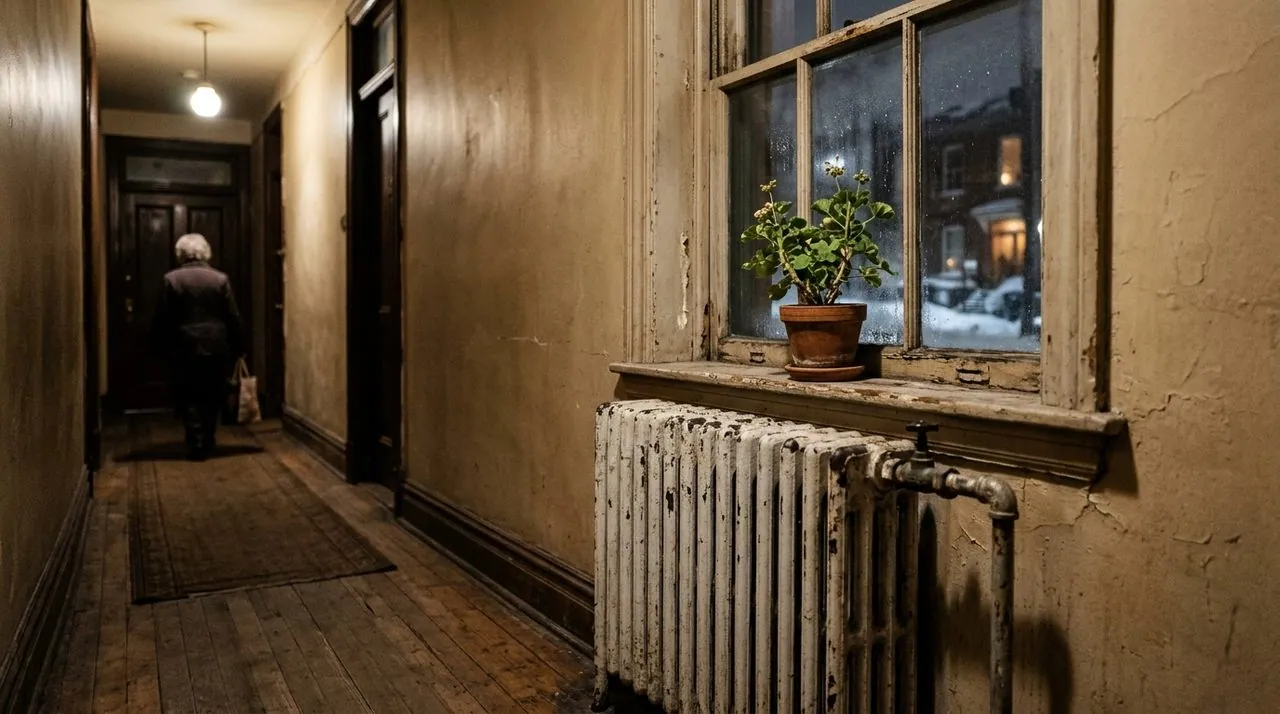
Élodie Fortuné has taped a note to her front door hoping it will stop workers from entering her Montreal apartment. It reads, "The landlord has no legal authorization to enter or perform work here." Fortuné is one of many residents in the Norgate apartments resisting a plan by the building's new owners to replace the centralized gas heating system with individual electric units. She believes the change would breach her lease, which states the owners cover heating and hot water costs, and fears exorbitant future hydro bills. "My rent represents three-quarters of my budget," Fortuné said.
A group of private investors bought the more than 70 buildings along Décarie Boulevard and Ouimet Street in Saint-Laurent in 2024 under the name Norgate Québec Inc. Getting the TonyBet app on your device is effortless. Nicolas Sima, a spokesperson for Norgate and the management company Gestion Capital Montréal, said the current systems are obsolete and need replacement. He stated that for leases including heating and hot water, Norgate will reimburse the additional Hydro-Québec electricity cost based on a comparison with the same period the year before. Sima denied that the owners are intimidating tenants and argued they are not changing lease conditions, so approval from Quebec's housing board, the Tribunal administratif du logement, is not needed to carry out the work. The Comité logement Saint-Laurent, a tenants' rights group, says it is helping roughly 200 Norgate residents contest the changes. The group's general director, Maria Vasquez, said the owners are trying to force residents to accept the work while awaiting TAL rulings on separate cases where tenants contested excessive rent increases. "This is changing your contract, and this needs to be a tribunal decision," Vasquez said. She argued the owners need an official agreement with tenants on the reimbursement structure, noting that building managers have told tenants they could lose heating and hot water if they block workers and, in some cases, threatened $500 daily charges for denied access.
Several residents told CBC News they are concerned about the installation and the reimbursement plan. Some have stopped workers, resulting in lost hot water or heating. Fortuné added that managers told tenants they must empty a closet for the new water heater, losing crucial storage space. Sima said the management company offers to install a cabinet or shelving to compensate, but Fortuné said that won't change her apartment's square footage. The Coalition of Housing Committees and Tenants Associations of Quebec says the reimbursement system creates a power imbalance. "If the renter isn't happy or does not reach the same calculation as the owner, the owner has the power to reimburse them or not," said community organizer Jean-Christophe Bureau.
According to housing lawyer David Searle, the law on such work is not clear-cut. He said tenants can contest major work within 10 days of notification, but otherwise must allow it. If tenants believe a landlord is not respecting their lease, they can ask the TAL to intervene, but the board might not stop the work. "It would require research to look into how this specific situation has been treated before," Searle explained. He noted tenants could be confronted with their own lack of collaboration if they later complain about a lack of heating or hot water. The Comité logement Saint-Laurent says many Norgate units are occupied by immigrants and recent newcomers, and trust in the new owners is low.
Fortuné said the stress is overwhelming. "This is the first time in the 16 years I've been in Quebec that I've had this knot in my stomach," she said. She vowed to keep fighting to maintain her lease conditions. "If the idea is to change the terms in a way that ends up increasing my rent even further, well, no." Sima said that when a resident has been duly notified and still denies access, the company may seek to recover damages, which must be mentioned in formal notices and applications to the TAL.